From Smart Savings to Tailored Luxury: Fit-Outs That Grow With Your Home
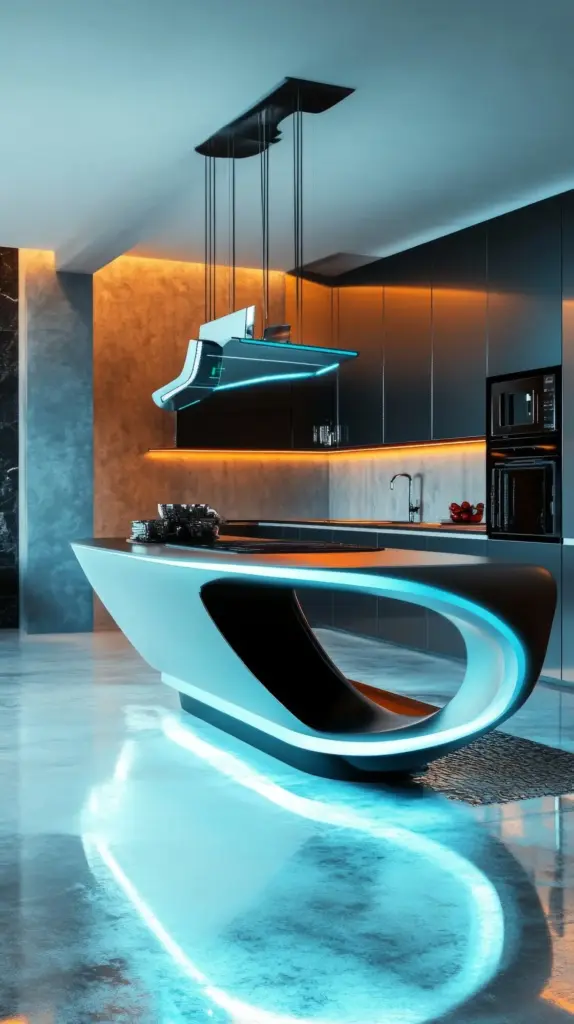

Today we dive into “Budget to Bespoke Home Fit-Outs,” exploring how to start with smart savings and progress toward refined, tailor-made finishes without losing momentum, joy, or financial control. Expect practical frameworks, real-world stories, and clear decision points that help you prioritize, phase, and upgrade gracefully. Whether you’re refreshing a single room or coordinating a whole-home transformation, you’ll learn how to balance function, materials, craftsmanship, and style, building a space that reflects you now and evolves beautifully over time.

Define Non‑Negotiables

Identify what must work flawlessly from day one: safety, ventilation, waterproofing, electrical capacity, and storage accessibility. These foundations anchor every budget decision and prevent expensive do-overs. One couple in a compact townhouse prioritized ventilation and pantry pull-outs over decorative backsplashes, discovering daily convenience delivered more delight than any trend. Start by listing pain points, rank them by frequency and frustration, and allocate funds where comfort, safety, and durability intersect most powerfully.

Phase the Journey

Treat the process as chapters, not a single sprint. Start with essentials like layout fixes and primary lighting, then elevate with surfaces, hardware, and bespoke millwork as funds replenish. Phasing reduces stress and invites learning, letting each stage inform the next. A clear sequence also leverages seasonal discounts and contractor availability. Document scope per phase, attach realistic timelines, and note dependencies—like drywall closed only after wiring—so momentum remains steady and costly rework is avoided.

Materials That Stretch or Splurge

Choose materials like a strategist: some surfaces demand premium durability, while others can shine with budget-conscious substitutions and clever detailing. Understanding wear patterns, maintenance realities, and tactile payoff helps decide where to save and where to invest. By exploring veneers, laminates, engineered stones, and prefinished woods, you can achieve high-end aesthetics at sensible cost. Then, when the time is right, upgrade focal points—like a countertop or custom facade—to shift the space from good to unforgettable.

Layouts That Breathe at Any Price

Spatial planning multiplies value more than any finish. A thoughtful layout optimizes circulation, natural light paths, and functional adjacencies, making even modest rooms feel generous. By refining clearances, integrating storage, and controlling sightlines, your home gains calm and usability. We’ll explore small changes that yield big gains—like widening a doorway, moving a fridge, or tucking laundry behind acoustic doors—so each upgrade compounds the next. Good flow invites better living, regardless of budget or style.

Circulation First

Map the daily routes: from entry drop zones to kitchen work triangles and morning bath routines. Remove bottlenecks by adjusting door swings, consolidating small appliances, or adding pocket doors in tight corridors. Consider universal design principles—lever handles, wider clearances, slip-resistant floors—to serve guests and future needs. Borrow light with interior windows or transoms where privacy permits. A few inches reclaimed from a closet can unlock easier movement and a surprising sense of openness throughout the plan.

Storage as Architecture

Built-ins can replace bulky furniture, freeing floor area while creating a tailored look. Shallow-depth cabinets, toe-kick drawers, and ceiling-height closets tame clutter elegantly. In living rooms, fluted panels hide media gear; in bedrooms, headboard niches replace side tables. Sketch storage at the wall-framing stage when depth can be gained easily. Choose adjustable shelves and strong hardware to support changing needs. A well-placed cabinet run often yields more daily joy than any decorative flourish ever could.

Acoustics and Privacy

Sound control elevates comfort in open plans. Use soft finishes, area rugs, and acoustic panels disguised as art. Seal gaps around doors, specify solid-core slabs for bedrooms, and line laundry walls with mineral wool. Zoning with partial walls or glazed partitions keeps light flowing while reducing noise. A client reported deeper sleep after upgrading door sweeps alone. Prioritize quiet in work and rest areas, and the entire home will feel calmer, focused, and more welcoming.

Craftsmanship and When to DIY

Knowing when to roll up your sleeves—and when to call a pro—saves money and safeguards quality. Some tasks invite satisfying DIY involvement; others demand experience, precise tools, or code knowledge. We’ll highlight safe wins, risky traps, and collaboration tactics that preserve schedules while honoring budgets. By staging professional help for complex milestones and tackling simpler finishes yourself, you gain pride in the result without compromising safety, warranties, or the polished fit that defines lasting spaces.

Layered Lighting Basics

Combine ambient, task, and accent lighting so rooms flex from lively gatherings to restful evenings. Aim for high CRI bulbs to render colors accurately, and specify dimmers where mood matters. Under-cabinet LEDs sharpen kitchen prep, while wall washers and picture lights shape character. Place switches logically at entries and bedsides for intuitive control. Test beam spreads and color temperature in situ, because renderings can mislead. Great lighting flatters finishes, protects eyes, and magnifies perceived spaciousness.

Prewire for Future Tech

Even if you’re not installing automations today, run conduit or spare cabling while walls are open. Prewire for speakers, doorbells, cameras, and blinds to avoid patching later. Choose neutral back boxes and deep switch plates to accommodate evolving devices. Label everything meticulously. A modest investment now prevents costly demolition when your needs change. Think of infrastructure as an insurance policy that keeps your options open, whether you later add a projector, mesh network, or occupancy sensors.

Tactile Touchpoints

Upgrade frequently touched elements—handles, faucets, switches, and rails—to broadcast quiet luxury. Solid metals age gracefully, while soft-close hinges and full-extension slides feel indulgent daily. Consider knurling for grip, and coordinate finishes across rooms to create harmony without uniformity. Even a single artisan pull on a pantry door can become a smile-inducing ritual. Start small if needed, then build a cohesive palette as resources allow, proving sophistication can arrive through the fingertips rather than grand gestures.

Sustainability and Long‑Term Value

Energy and Envelope

Insulation, air sealing, and proper ventilation deliver comfort that decor alone cannot. An efficient envelope lowers bills and stabilizes temperatures, supporting better sleep and productivity. Upgrade weatherstripping, specify ENERGY STAR equipment, and consider induction cooktops for indoor air quality. Window treatments with thermal backing help, especially in older homes. Pair a heat-recovery ventilator with bathroom fans on timers to manage humidity. These invisible upgrades quietly transform living quality while freeing budget for future bespoke details.

Responsible Materials

Look for third-party certifications, low-VOC finishes, and sustainably sourced woods. Recycled-content tiles and composite counters can be both beautiful and durable. Ask vendors about repairability and replacement parts, ensuring products won’t be landfill-bound after minor mishaps. We’ve seen reclaimed oak add warmth and story to modest corridors, becoming a cherished feature. Consider local suppliers to reduce transport impact and simplify service. Responsibility here doesn’t stifle creativity; it channels it into choices that age with grace.

Maintenance Planning and Warranties

Protect your investment with a simple care calendar and a folder of receipts, manuals, and warranty terms. Schedule seasonal checks for seals, filters, grout, and caulk. Choose finishes you can actually maintain—oil once a year may be realistic, monthly sanding is not. Register products promptly for extended coverage, and photograph serial numbers for easy claims. A little organization keeps surprises small, supports resale confidence, and ensures your home remains sturdy, serene, and ready for future refinements.
Katezitufotini
Privacy Overview

This website uses cookies so that we can provide you with the best user experience possible. Cookie information is stored in your browser and performs functions such as recognising you when you return to our website and helping our team to understand which sections of the website you find most interesting and useful.