From Small Fixes to Bespoke Brilliance in the Kitchen
Today we explore kitchen fit-out pathways—from economical upgrades to fully custom designs. Whether you are swapping hardware, refreshing paint, or commissioning cabinetry, this guide blends practical steps, truthful costs, and uplifting anecdotes so you can plan confidently, reduce waste, and enjoy the process. Share your questions, favorite finds, and before‑after moments in the comments to inspire others and refine your own plans.


Begin With a Clear Audit
Start by observing how you actually cook, clean, and gather. Note light at different hours, bottlenecks around the fridge, and underused corners. Measure everything, inventory cookware, and rank daily frustrations. These honest details help target economical upgrades first, reserve budget for transformative moves, and shape decisions that truly fit your routines rather than idealized magazine layouts.

One-Weekend Improvements That Change Everything
Clear the counters, adjust storage heights, swap dated knobs for streamlined pulls, add soft‑close hinges, and relamp with brighter LEDs. Recaulk the sink, oil butcher block, and align doors. These fast wins create momentum, reveal what truly needs investment, and keep motivation high while you plan larger changes with fewer surprises and less stress.

Materials That Stretch Every Dollar
Choose durable laminates with modern edge profiles, factory‑finished RTA cabinet boxes, and porcelain tile that mimics stone without the upkeep. Mix cost‑savvy backsplash panels behind the range with paint elsewhere. Redirect savings toward lighting, ventilation, and workflow improvements that deliver daily value you feel every time you pick up a pan or plate.
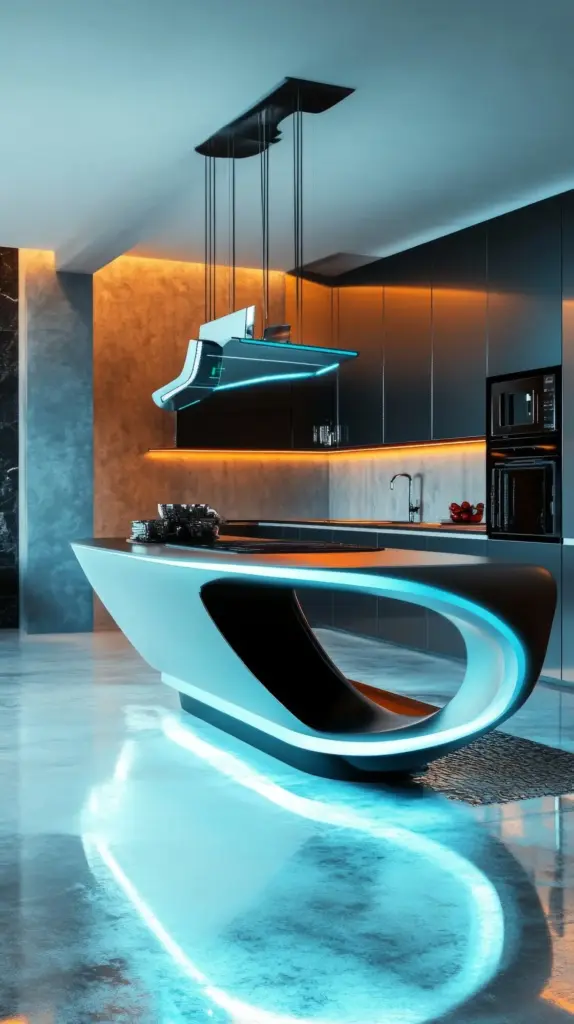
Layout Moves That Feel Effortless Every Day
A kitchen that works intuitively saves steps, prevents spills, and feels generous even in tight footprints. Thoughtful layout tweaks—like widening prep space between sink and cooktop—can outperform expensive materials. Pair proven guidelines with your habits to reduce backtracking, avoid appliance conflicts, and support multiple cooks, children, or guests moving through the room without collision.
For compact spaces, a triangle often minimizes steps; for passionate bakers or families, zoning keeps stations from crowding. Map your top five tasks, then place tools directly adjacent. A cutting board drawer by the trash, spices near heat, and sheet pans by ovens streamline motion and reduce decision fatigue during busy weeknights.
Respect door swings, aisle widths, and counter heights. Aim for safe clearances around island seating and oven doors, plus reachable upper shelves for daily dishes. Tall users may prefer higher counters; small children benefit from landing zones below. These dimensions feel invisible when correct, yet they shape comfort more than any paint color.
Painted Makeovers That Last Longer
Degrease thoroughly, sand carefully, and use bonding primer to prevent peel. Spray application yields smoother results, yet rolled enamel can charm. Swap in full‑length pulls for leverage, add soft‑close hardware, and adjust hinges. Even modest changes here elevate sound, reduce slamming, and make everyday opening feel deliberate and surprisingly luxurious.
Refacing With Veneer and New Fronts
Refacing replaces doors and drawer fronts while adding real‑wood or laminate veneer to existing boxes. It fixes dated profiles and enables concealed hinges, better glides, and integrated trash pullouts. Verify box condition, confirm veneer species, and align grain directions. The result looks new, shortens downtime, and trims landfill waste dramatically.
Going Fully Custom, Without Regrets
Full builds unlock tailor‑made solutions like drawer banks for spices, tray dividers, and flush appliance panels. Expect templating, shop drawings, finish samples, and longer lead times. Interview makers about joinery, substrate, and warranty. The right partner delivers heirloom quality, precise proportions, and calm functionality that delights daily for decades.

Surfaces That Work as Hard as You Do
Surfaces set tone and determine cleanup time after every meal. Prioritize durability at the busiest zones and sensory delight at touchpoints. Mix materials strategically to balance budget without visual chaos. Understanding porosity, heat tolerance, and movement joints helps you decide where to splurge, where to save, and how to maintain finishes gracefully.
Appliances, Power, Water, and Venting
Right‑sized appliances, adequate circuits, thoughtful lighting, and real ventilation multiply every upgrade. Match equipment to cooking style, respect electrical load, and plan make‑up air where required. Quiet operation matters in open plans. These technical choices often determine satisfaction more than color, and they protect investments for years.

Cook Like You: Specifying the Right Suite
Boil‑loving cooks may value powerful induction, while slow‑food fans prefer steady electric or gas with simmer control. Convection ovens bake evenly; steam assists with bread and vegetables. Measure cutouts twice, confirm door clearances, and consider panel‑ready options for cohesion. Reliable warranties and repair networks matter more than advertising slogans during busy holidays.

Electrical and Lighting Plans That Age Well
Plan dedicated circuits for microwave drawers, dishwashers, and beverage centers. Add GFCI protection near water and abundant outlets along counters. Design layered lighting: bright task at prep zones, warm ambient for meals, focused accents for display. Future‑proof with spare conduit runs so adding smart controls later is simple, tidy, and affordable.

Ventilation That Clears Smoke, Not Savings
A capable hood removes heat, vapor, and odors before they spread. Calculate needed CFM based on cooktop output, then prioritize efficient ducting with minimal turns to the exterior. Select quiet blowers, baffle filters, and make‑up air solutions where code requires. Clear air protects finishes, lungs, and post‑dinner conversation dramatically.
Phasing, Budgeting, and Managing the Build
Clarity about money and timing keeps projects humane. Break work into phases if needed: quick refresh, functional upgrades, and finally crafted details. Track allowances versus actuals, document decisions, and photograph rough‑ins. Communication rhythms with contractors—plus contingency planning—reduce surprises, keep priorities intact, and preserve enthusiasm from the first sketch to the last sweep.