Design Greener Spaces Without Breaking the Bank
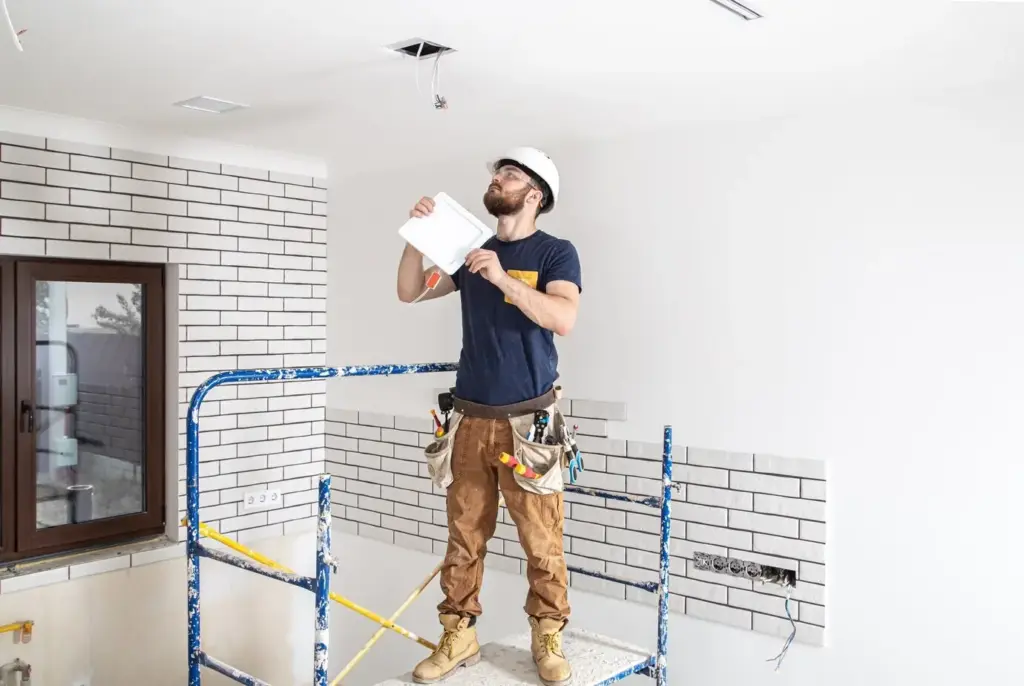
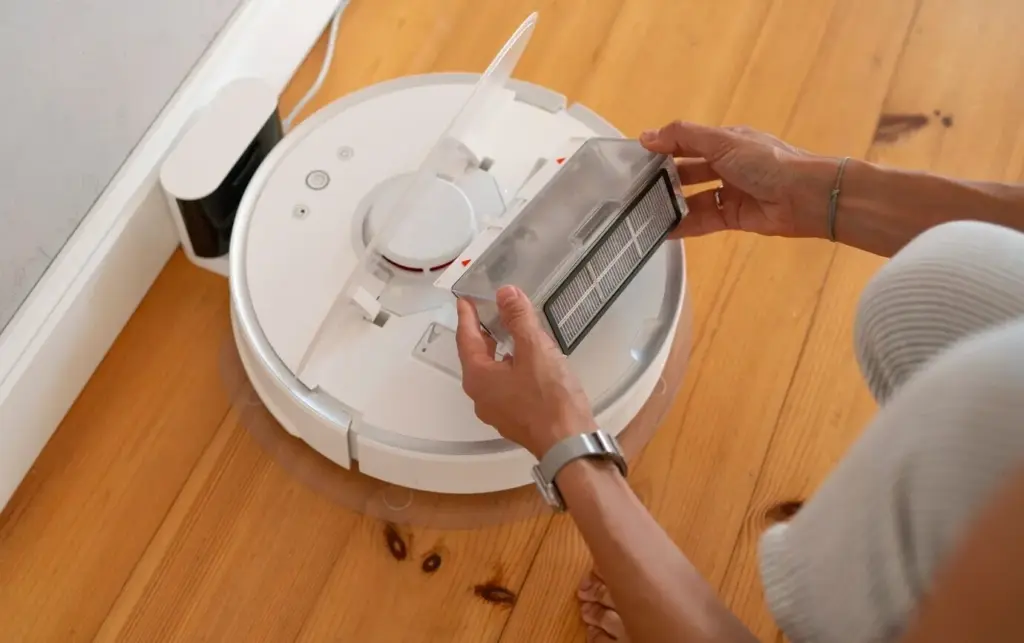
Today we explore eco-friendly fit-out choices at any price point, translating ambitions into real rooms that save energy, breathe cleaner, and look timeless. Whether you manage a startup studio, a family home office, or an enterprise floor, you’ll find practical moves, budget-savvy upgrades, and inspiring stories that prove sustainability scales. Expect clear priorities, honest cost guidance, and creative shortcuts that minimize waste without compromising performance. Share your questions, subscribe for updates, and join readers turning constraints into beautifully responsible spaces.

Make Every Dollar Deliver Environmental Impact

Start Small, Prioritize Big Wins

Begin by trimming wasted energy and materials where payback is measured in months, not years. Swap in LED lamps, add basic occupancy sensors, repurpose existing fixtures, and set equipment to shut off automatically. Source pre-owned furniture from vetted marketplaces, and seal air leaks around windows or doors. These moves cut utility bills, reduce embodied carbon, and free cash for future improvements. Share your favorite quick fix, and we’ll highlight community-tested ideas next week.

Where to Splurge for Lasting Impact

Invest intentionally where longevity, health, and performance intersect. Durable flooring with recycled content, high-quality low-VOC paints, and efficient HVAC upgrades reduce maintenance, protect occupants, and stabilize operating costs. Consider daylighting strategies, better glazing, and acoustic treatments that improve productivity. When funds are limited, pilot these choices in the most-used areas first, then expand. Ask suppliers for Environmental Product Declarations and service-life warranties to confirm claims, benchmark durability, and safeguard your total cost of ownership.

Phasing Strategies That Respect Cash Flow

Create a roadmap that groups upgrades by disruption, contractor access, and incentive timing. Tackle lighting and controls during off-hours, schedule flooring when teams are remote, and bundle minor mechanical work to minimize mobilization costs. Track rebates, green financing, and lease milestones to unlock opportunities. Publish a simple dashboard so stakeholders understand progress, savings, and comfort feedback. Transparent communication builds trust, prevents scope creep, and keeps your sustainability commitments resilient through budget cycles and leadership changes.

Materials and Finishes That Respect the Planet

Smarter Systems: Light, Air, and Water That Work Harder

Systems upgrades can be elegant and thrifty when you match technology to usage patterns. Start with right-sized equipment, then add controls that prevent waste and adapt to occupancy. Evaluate payback holistically, factoring maintenance savings, comfort, and productivity. Remember that quiet, well-lit rooms with stable temperatures keep people longer and happier. Share your building type and operating hours, and we’ll propose staged improvements that maximize return while keeping disruption minimal and predictable.
Replace aging fluorescents with high-efficacy LEDs, then layer daylight sensors, occupancy controls, and task lights to reduce overall wattage. Tune color temperature by zone to support alertness or calm. Maintenance drops dramatically when lamps last for years. In one clinic, a weekend retrofit cut electricity by forty percent without changing layout. Document before-and-after photos and utility data to build internal support, and invite staff to suggest further adjustments once patterns stabilize.
Select Wi‑Fi thermostats, plug load controllers, and room sensors that integrate over open protocols, avoiding vendor lock-in. Begin with critical zones, learn from the data, then expand. Demand dashboards that show comfort and savings in plain language, not just engineering graphs. Commissioning matters; plan time for tuning during real occupancy. Share your favorite low-cost control kit, and we’ll compare features, reliability, and cybersecurity practices to help others avoid expensive missteps.
Swap in WaterSense fixtures, aerators, and leak-detecting valves, then capture usage trends to uncover surprising waste. Consider point-of-use heaters for distant sinks, and insulate exposed piping. Interior planting can use sub-irrigated planters to conserve water while boosting wellbeing. In food areas, foot-pedal valves reduce flow without harming hygiene. Publish monthly savings with tips for occupants, and invite feedback on comfort or cleaning performance to keep conservation practical, visible, and celebrated.

Healthy Interiors People Love to Use

Comfort and health are inseparable from sustainability. Low-emitting products, fresh air strategies, daylight access, and acoustic balance reduce headaches, fatigue, and absenteeism. Even modest biophilic elements can lower stress. These human-centered choices are achievable on tight budgets when you prioritize correctly and schedule work smartly. Share a story about a space that made you feel better instantly, and we’ll translate its cues into actionable steps for your next project.

Adhesives, Paints, and Sealants You Can Breathe Around

Specify products meeting strict emission standards and verified VOC content, then ventilate effectively during curing. Low-odor materials make phased fit-outs possible while teams remain onsite. Request Safety Data Sheets and declare ingredient lists to spot problematic solvents. Involve facilities staff early so maintenance touches match your selections. If you have a trusted brand that performed well, share it below, and we’ll compile a community‑vetted shortlist to save others time.

Biophilic Touches on Any Budget

Start with daylighting and views, then layer inexpensive plant species, natural textures, and imagery that references local landscapes. Moss panels or reclaimed wood accents deliver warmth without heavy maintenance. Where irrigation is impractical, use preserved botanicals strategically. Encourage staff to adopt low-light desk plants with shared care tips. Track mood or focus with simple pulse surveys, and adjust placements accordingly. Share photos of your favorite corner, and inspire fellow readers.

Acoustics and Comfort Count as Sustainability

Noise drives stress and undermines concentration, so treat sound strategically. Recycled PET acoustic panels, carpet tiles with cushion backing, and soft furnishings absorb reverberation without inflating budgets. Seal penetrations, add door sweeps, and consider white noise in open offices. Combine with ergonomic layouts and controllable lighting for holistic comfort. Invite occupants to mark hotspots on a map, then iterate solutions quickly, sharing outcomes to build momentum for broader improvements.

Circular Choices: Furnish, Build, and Deconstruct Wisely

Design for reuse preserves value and avoids landfill. Favor modular components, standardized dimensions, and mechanical fasteners that enable repair, reconfiguration, and responsible end-of-life. Build furniture inventories like libraries, not consumables. Seek vendors offering take-back programs and verified remanufacturing. Plan deconstruction before construction begins, documenting expected salvage. Tell the story proudly: the narrative of stewardship attracts talent, customers, and partners. Add your best reuse tip, and we’ll feature it in our next roundup.

Furniture With a Second Life

Remanufactured workstations can cost half of new while meeting performance standards. Many providers refresh fabrics with recycled textiles, upgrade power modules, and warranty frames. Mix vintage tables with new ergonomic chairs to balance charm and support. Verify fire codes, inspect moving parts, and request material disclosure. Celebrate provenance with small tags explaining origin and avoided emissions. Invite employees to vote on layouts, nurturing ownership and extending the life of each piece.

Design for Disassembly

Detail assemblies with screws, clips, and reversible brackets instead of adhesives. Label parts discreetly, maintain a digital inventory, and keep spare connectors onsite. Choose modular flooring planks over broadloom, and panel systems with replaceable skins. When something fails, fix the failing layer, not the whole element. Ask manufacturers about spare-part availability and take-back logistics. Document lessons learned, and share kits-of-parts that help other teams replicate your adaptable, low-waste approach efficiently.

Waste Planning From Day Zero

Before demolition, audit existing assets and identify salvage partners. Separate streams for metal, clean wood, cardboard, gypsum, and e-waste, and set clear targets. Provide labeled bins and contractor briefings. Track tonnage diverted and celebrate milestones with photos and data boards. Require haulers to supply receipts indicating end destinations. Readers have shared spreadsheet templates that simplify tracking; request one in the comments, and we’ll send a link to our shared folder.

Crunching the Numbers With Honesty


Use lifecycle cost analysis to include installation, energy, maintenance, and disposal. Model scenarios with realistic escalation and downtime assumptions, then compare net present value. Pair spreadsheets with occupant surveys to capture comfort gains. Publish failures alongside wins to build credibility and avoid repeated mistakes. If you’d like a template, comment with your project type, and we’ll share a version tuned for offices, retail, clinics, or learning environments.

Incentives, Rebates, and Financing Paths

Utilities and municipalities often fund lighting upgrades, controls, and efficient equipment. Explore tax credits, green loans, and PACE programs where available. For tenants, green lease clauses align savings and responsibilities. Bundle measures to meet program thresholds. Keep documentation organized from the first quote to final commissioning. If you’ve navigated an incentive successfully, describe the process below, and we’ll compile a region-by-region guide that demystifies requirements and timelines for newcomers.
Katezitufotini
Privacy Overview

This website uses cookies so that we can provide you with the best user experience possible. Cookie information is stored in your browser and performs functions such as recognising you when you return to our website and helping our team to understand which sections of the website you find most interesting and useful.